Fore Kazık Halatlarında Uzun Metrajlar Nasıl Yapılır?

Zemin mühendisliği ve altyapı projelerinde kullanılan fore kazık sistemleri, yüksek dayanım ve güvenlik gerektiren yapılar için vazgeçilmezdir. Bu sistemlerin başarısı büyük ölçüde kullanılan ekipmanların kalitesiyle doğru orantılıdır. Özellikle uzun metrajlı çelik halatlar, fore kazık uygulamalarının en kritik bileşenlerinden biridir. Peki, fore kazıkta kullanılan bu uzun halatlar nasıl hazırlanır? Nelere dikkat etmek gerekir? Bu yazımızda hem mühendislik hem de satış perspektifinden detaylı bilgiler sunacağız.

Yeni Doğan Çelik Halat olarak uzun metrajlı özel üretimlerde edindiğimiz deneyimi ve sektöre kattığımız çözümleri sizinle paylaşıyoruz.

Fore Kazık Uygulamalarında Halatların Önemi

Fore kazık, zayıf zemin koşullarında yapının yükünü daha sağlam tabakalara aktaran bir temel sistemidir. Bu sistemin açılması, sondajının yapılması, betonlama süreçleri ve aparatların kaldırılması sırasında halatlar aktif olarak görev alır. Özellikle derin kazılarda uzunlukları 100 metreyi geçen çelik halatlar, ekipmanların hem kontrolünü sağlar hem de iş güvenliğini artırır.

Müşterilerimizin sıklıkla sorduğu “fore kazık için hangi çelik halat uygundur?” sorusu, projeye özel olarak değişmekle birlikte çoğunlukla yüksek mukavemetli ve esnek yapıya sahip halat tiplerine yönlendirilir.

Uzun Metrajlı Halat Nedir?

Uzun metrajdan kasıt, genellikle 100 metre ve üzeri kesintisiz üretilebilen, projeye özel uzunluklarda imal edilen halatlardır. Birçok şantiyede “tek parça çelik halat nasıl hazırlanır?” veya “200 metre halat üretimi mümkün mü?” gibi sorular gündeme gelir. Çünkü bağlantı veya ek yapılan noktalarda hem iş güvenliği riske girer hem de sistemsel arızalar meydana gelebilir.

Yeni Doğan Çelik Halat, bu talepleri karşılamak için özel makineler ve yüksek kapasiteli sarım sistemleriyle, uzun metrajda üretim kabiliyeti sunar.

Uzun Metraj Halatlar Nasıl Üretilir?

  1. İhtiyacın Belirlenmesi

Her şey doğru ihtiyacın analiz edilmesiyle başlar. Fore kazığın derinliği, taşıyacağı yük, ortam koşulları ve uygulama süresi gibi kriterler göz önünde bulundurularak doğru halat yapısı belirlenmelidir.

Proje mühendislerinden sıkça şu tür taleplerle karşılaşıyoruz:

  • “6×36 IWRC halat istiyoruz, 150 metre tek parça.”
  • “Galvanizli çelik halat 200 metre istiyoruz, makaraya sarılı olacak.”
  • “Sıkıştırılmış tel yapıda halat, aşınmaya dayanıklı ve esnek olmalı.”

Bu gibi talepler, halatın yapısı kadar uzunluğunu da belirler.

  1. Uygun Halat Yapısının Seçilmesi

Fore kazık sistemlerinde sıklıkla tercih edilen halat yapıları:

  • 6×36 WS + IWRC: Hem esnek hem de dayanıklı olmasıyla öne çıkar.
  • 8×19 Seale + IWRC: Aşınmaya karşı dayanıklıdır, yoğun makine kullanımında tercih edilir.
  • Sıkıştırılmış (compacted) halat: Uzun ömürlüdür, daha az deformasyona uğrar.
  • Galvanized wire rope: Korozyon riskinin olduğu ortamlarda kullanılır.

Özellikle “fore kazık için en dayanıklı halat hangisidir?” sorusuna cevap olarak, sıkıştırılmış ve galvanizli yapıdaki 6×36 IWRC modellerini öneriyoruz.

  1. Kesintisiz Üretim Süreci

Standart makineler genellikle 50 metreye kadar üretim sağlar. Ancak fore kazık gibi derin uygulamalarda 100-300 metre arası tek parça halat gereklidir. Yeni Doğan Çelik Halat olarak bu üretimi sağlamak için:

  • Yüksek kapasiteli sarım hatları,
  • Kalibreli çekme makineleri,
  • Projeye özel makara sistemleri kullanıyoruz.

Üretim sonrası, halat mukavemeti ve esnekliği, özel testlerle kontrol edilir. Böylece müşterilerimizin “uzun halat kopar mı?” gibi endişeleri ortadan kalkar.

  1. Makara Sarımı ve Lojistik

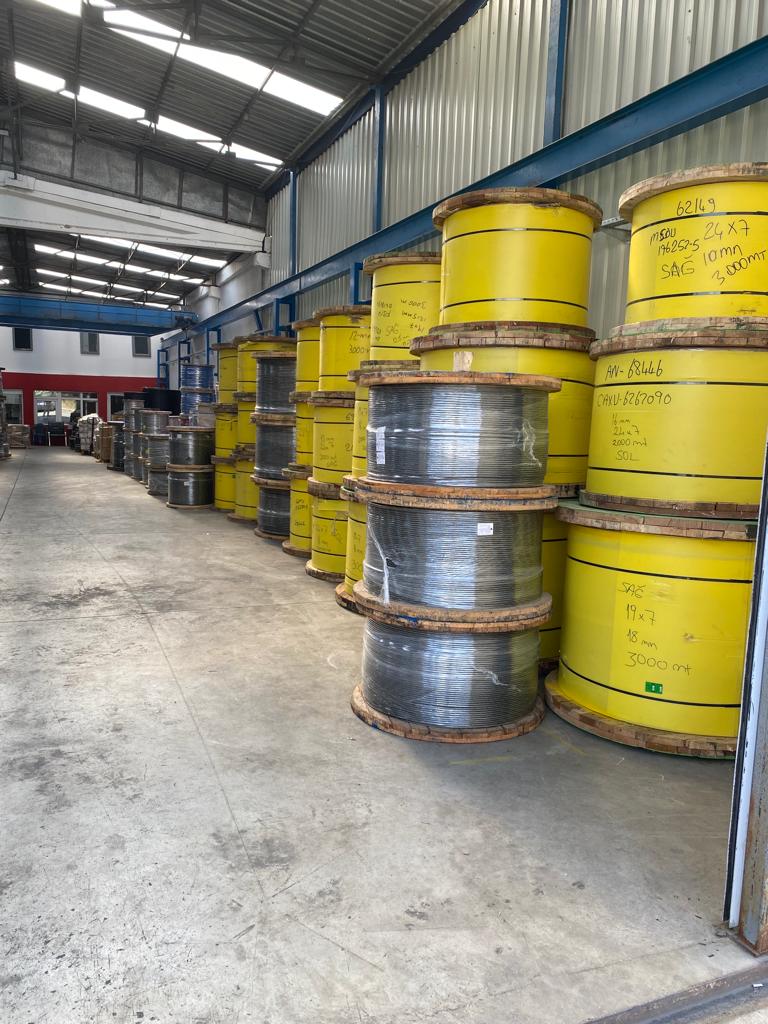
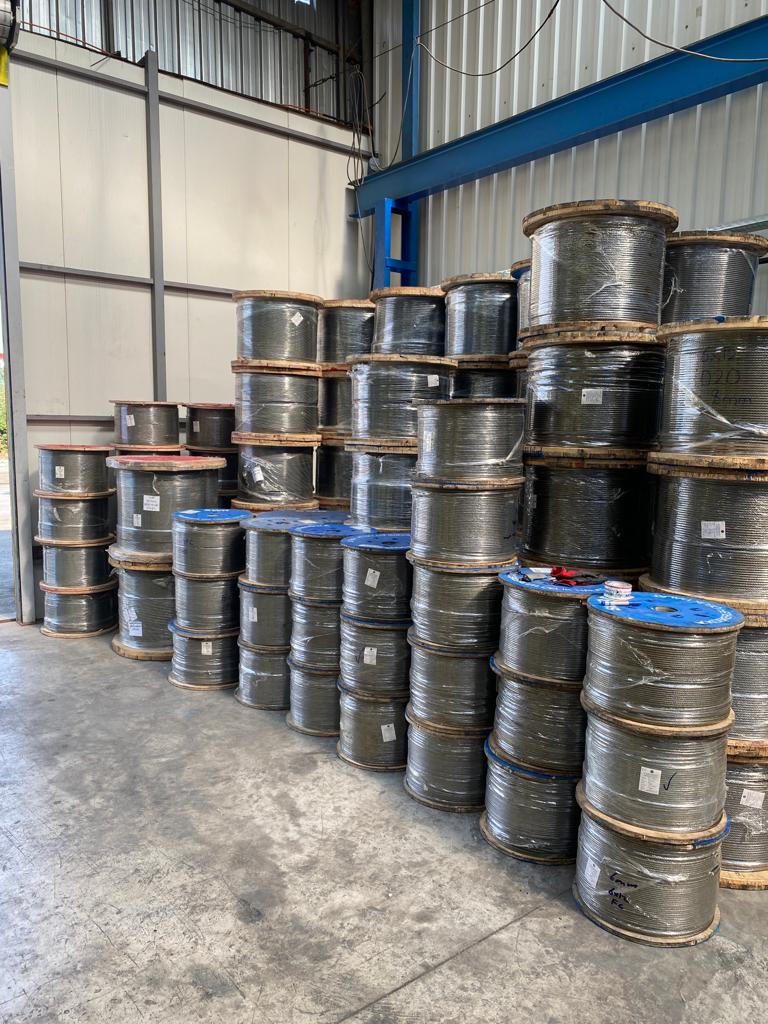
Uzun metrajlı halatlar yüksek hacimli ve ağırdır. Bu nedenle sarım ve taşıma işlemleri uzmanlık ister. Firmamız, her siparişte:

  • Halat uzunluğuna özel makaralar üretir,
  • Halat yüzeyini yağlayarak korozyondan korur,
  • Sevkiyat sırasında bükülme ve ezilmelere karşı güvenli ambalajlama yapar.

Lojistik tarafında ise “fore kazık halatı nasıl taşınmalı?” sorusu öne çıkar. Uzunluk arttıkça risk de artar; bu yüzden taşıma sırasında tüm halatlar sabitlenir ve sürtünme önlenir.

Uzun Metraj Halatların Sağladığı Avantajlar

Projelerde tercih edilen uzun metraj halatlar birçok açıdan avantaj sağlar:

  • Kesintisiz yapı sayesinde kopma riski minimize edilir.
  • Ek yeri olmadığı için iş güvenliği maksimum düzeyde sağlanır.
  • Zaman tasarrufu: Ek yerleriyle uğraşmadan doğrudan montaj yapılır.
  • Yüksek performans: Tek parça halat, daha fazla yüke dayanıklıdır.

Bu özellikler nedeniyle Google’da sık sık “tek parça uzun halat avantajları” veya “çelik halat neden uzun üretilir” gibi aramalar yapılmaktadır.

Hangi Projelerde Kullanılır?

Uzun metrajlı halatlar sadece fore kazık uygulamalarında değil, aşağıdaki alanlarda da yaygın olarak kullanılır:

  • Metro ve tünel kazıları
  • Baraj ve liman inşaatları
  • Şantiye vinçleri ve kaldırma sistemleri
  • Yüksek tonajlı endüstriyel kaldırma ekipmanları
  • Wind turbine installations

Yeni Doğan Çelik Halat ile Uzun Metraj Güvencesi

Fore kazık uygulamaları gibi ağır zemin işlerinde doğru halat kullanımı, hem iş güvenliği hem de proje verimliliği açısından kritik öneme sahiptir. Uzun metrajlı halatlar, özel üretim ve dikkat isteyen ürünlerdir. Yeni Doğan Çelik Halat olarak:

  • Sektörel tecrübemiz ile doğru halatı öneriyoruz.
  • Yüksek stok kapasitemiz ile kısa sürede teslimat yapıyoruz.
  • Sertifikalı ve test edilmiş ürünler ile güven veriyoruz.
  • Türkiye’nin her yerine sevkiyat sağlıyoruz.

Projeniz için “nereden uzun çelik halat alınır” ya da “fore kazık halatı satan firmalar” gibi aramalarla doğru yerdesiniz.

How Many Tons Does a Wire Rope Carry? | Wire Rope Types, Sizes, and Load Capacities

Wire rope, is one of the high-strength load-bearing elements used in many sectors such as construction, crane systems, maritime, mining, and industry. One of the most frequently asked questions is: “How many tons does a wire rope carry?“. The answer to this question varies depending on the rope's diameter, construction, number of steel wires used, and application area.

In this guide, we will examine in detail the load capacities, rope types, and applications of wire ropes with different diameters.

  1. What Is Steel Wire Rope?

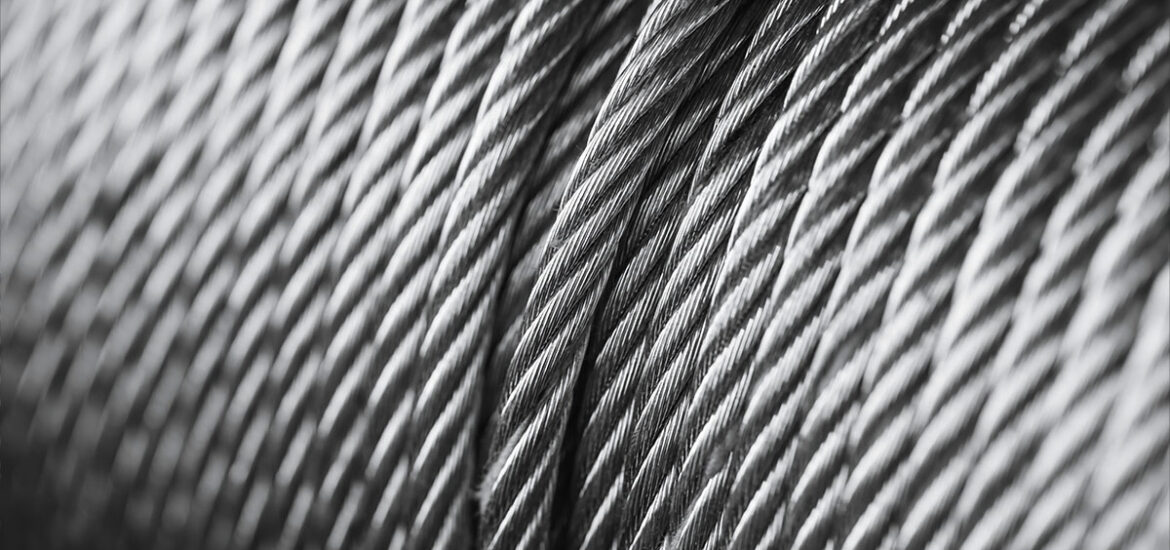
Wire rope is formed by winding a large number of steel wires in a specific pattern. These wires are gathered into groups called “strands” and twisted around a core to gain a durable structure.

Rope Construction:

  • 6×19: 6 strands, each containing 19 wires.
  • 6×36: 6 strands, each containing 36 wires (more flexible).
  • 8×19, 7×7, 1×19 There are also other variations like this.
  • Core: Can be steel (IWRC) or fiber.
  1. How Much Load Does a Wire Rope Carry?

Every wire rope has a certain breaking load value depending on its diameter and construction. In the table below, you can find the (average) load capacities according to the most commonly used wire rope diameters.

Load Capacities of Wire Ropes from 3.0 mm to 40 mm

Diameter (mm) Rope Construction Average Breaking Load (kgf) In Tons
3 mm 6×19 IWRC 700 kgf 0.7 ton
4 mm 6×19 IWRC 1,200 kgf 1.2 ton
5 mm 6×19 IWRC 1,900 kgf 1.9 ton
6 mm 6×19 IWRC 2,700 kgf 2.7 ton
8 mm 6×36 IWRC 4,600 kgf 4.6 ton
10 mm 6×36 IWRC 7,200 kgf 7.2 ton
12 mm 6×36 IWRC 10,500 kgf 10.5 ton
14 mm 6×36 IWRC 14,200 kgf 14.2 ton
16 mm 6×36 IWRC 18,500 kgf 18.5 ton
18 mm 6×36 IWRC 23,500 kgf 23.5 ton
20 mm 6×36 IWRC 28,800 kgf 28.8 ton
24 mm 6×36 IWRC 41,400 kgf 41.4 ton
28 mm 6×36 IWRC 56,200 kgf 56.2 ton
32 mm 6×36 IWRC 73,000 kgf 73 ton
36 mm 6×36 IWRC 92,000 kgf 92 ton
40 mm 6×36 IWRC 113,000 kgf 113 ton

📝 Note: The values above are average breaking loads. The safe working load (SWL) is generally %20-25 of this value. For example, the safe load limit of a 10 mm wire rope is approximately 1.5 – 2 ton .

  1. Wire Rope Types and Applications

3.1. Galvanized Wire Rope

  • Resistant to corrosion, ideal for outdoor use.
  • Telecommunications, cranes, tent installations.

3.2. Stainless Steel Wire Rope

  • Common in the maritime, food, and chemical industries .
  • Resistant to salty and acidic environments.

3.3. PVC-Coated Wire Rope

  • Preferred for decorative purposes or to prevent hand injuries .
  • Gyms, playgrounds, safety barriers.

3.4. Fiber-Core Ropes

  • More flexible , but with lower load capacity.
  • Can be preferred in elevator systems.

3.5. Steel-Core Ropes (IWRC)

  • These ropes have the highest load capacity.
  • Preferred in crane, tower crane, towing, and lifting applications.
  1. What to Consider When Choosing Wire Rope
  1. Application: Fixed or moving? Will it be used outdoors?
  2. Load Amount: What is the maximum load to be carried?
  3. Safety Factor: A minimum safety factor of 5 is recommended.
  4. Flexibility vs. Strength: The 6×19 construction is stiff, while 6×36 is more flexible.
  5. Corrosion Risk: Galvanized or stainless should be preferred outdoors.
  1. Most Commonly Preferred Wire Rope Diameters
  • 3 mm – 6 mm: Awnings, billboards, small lifting jobs.
  • 8 mm – 12 mm: Cranes, elevators, rescue systems.
  • 14 mm – 24 mm: Industrial cranes, construction site equipment.
  • 28 mm – 40 mm: Port cranes, heavy industry machinery.
  1. Frequently Asked Questions

✅ How many tons does a 10 mm wire rope carry?

The average breaking load is around 7.2 tons. The safe working load is approximately 1.4 – 2 tons.

✅ How many kilograms does a 16 mm wire rope carry?

It has a load capacity of approximately 18,500 kgf, i.e., 18.5 tons.

✅ How can the risk of rope breakage be reduced?

  • A rope of the correct diameter and construction should be chosen.
  • Rope ends should be press-fitted (swaged).
  • Wear and rust should be inspected regularly.
  • Below its lifting capacity the rope should be used.

How Many Tons Does a Wire Rope Carry? Detailed Load Capacities by Diameter

How many tons does a 3 mm wire rope carry?

3 mm diameter wire ropes are generally manufactured in a 6×19 construction and can carry an average load of 700 kg . This is approximately 0.7 ton . Ideal for light-duty jobs.

How many tons does a 4 mm wire rope carry?

A 4 mm wire rope has an average load capacity of 1.2 ton . It is used in light applications such as advertising, small crane systems, and tent installation.

How many tons does a 5 mm wire rope carry?

5 mm ropes have an approximate tensile strength of 1.9 ton . Preferred for lifting and securing small machines.

How many tons does a 6 mm wire rope carry?

A 6 mm wire rope offers an average load capacity of 2.7 ton . Widely used in cranes and safety nets.

How many tons does an 8 mm wire rope carry?

An 8 mm rope is generally in a 6×36 construction and can carry approximately 4.6 ton . Used in construction, elevator systems, and industrial machinery.

How many tons does a 10 mm wire rope carry?

The average load capacity of a 10 mm wire rope is around 7.2 ton . Safely preferred in cranes, construction site equipment, and load-lifting systems.

How many tons does a 12 mm wire rope carry?

12 mm ropes have an approximate tensile strength of 10.5 ton . Used in industrial cranes, container handling, and port applications.

How many tons does a 14 mm wire rope carry?

A 14 mm wire rope can carry an average load of 14.2 ton . Suitable for heavy construction machinery and industrial cranes.

How many tons does a 16 mm wire rope carry?

The load capacity of a 16 mm rope is around 18.5 ton . Frequently preferred in lifting systems requiring high safety.

How many tons does an 18 mm wire rope carry?

An 18 mm rope can carry approximately 23.5 ton . Ideal for construction projects and large crane systems.

How many tons does a 20 mm wire rope carry?

The average load capacity of a 20 mm wire rope is 28.8 ton. Used in ports, heavy industry, and mines.

How many tons does a 24 mm wire rope carry?

Ropes with a 24 mm diameter can carry approximately 41.4 ton . Used in large ship cranes and offshore platforms.

How many tons does a 28 mm wire rope carry?

A 28 mm wire rope has an average load capacity of 56.2 ton . Suitable for high-tonnage handling and towing systems.

How many tons does a 32 mm wire rope carry?

32 mm ropes can carry approximately 73 ton . Preferred in large crane systems and dam construction.

How many tons does a 36 mm wire rope carry?

The load capacity of a 36 mm rope reaches up to 92 ton. Used in the heaviest lifting jobs.

How many tons does a 40 mm wire rope carry?

The average load capacity of a 40 mm wire rope is 113 ton. This diameter is used in high-safety and massive load-handling operations.

How Many Tons Does a Galvanized Wire Rope Carry? | Detailed Load Capacities by Size

📞 Contact Us for Orders and Information

Galvanized wire ropeis formed by coating steel wires with zinc using the hot-dip or electrolytic method. This coating protects the steel against moisture, rust, and chemical effects from the outside environment, extending its service life. It is widely used in maritime, façade applications, elevator systems, and cranes.

One of the most frequently asked questions is: “How many tons does a galvanized wire rope carry?”. The answer to this question varies depending on the rope's diameter, construction, and core type.

Galvanized Wire Rope Load Capacity (by Diameter)

The table below shows the average breaking loads of galvanized wire ropes . Breaking load refers to the maximum load the rope can carry without breaking. The safe working load (SWL) is approximately %20-25of this.

Diameter (mm) Construction (Typical) Average Breaking Load (kgf) In Tons Safe Load (approximate)
4 mm 6×19+FC 1.100 kgf 1.1 ton 220-275 kg
6 mm 6×19+FC 2.300 kgf 2.3 ton 460-575 kg
8 mm 6×19+IWRC 4.500 kgf 4.5 ton 900-1.125 kg
10 mm 6×36+IWRC 7.000 kgf 7 ton 1.400-1.750 kg
12 mm 6×36+IWRC 10.200 kgf 10.2 ton 2.000-2.500 kg
14 mm 6×36+IWRC 13.800 kgf 13.8 ton 2.800-3.400 kg
16 mm 6×36+IWRC 17.500 kgf 17.5 ton 3.500-4.400 kg
18 mm 6×36+IWRC 22.000 kgf 22 ton 4.400-5.500 kg
20 mm 6×36+IWRC 26.500 kgf 26.5 ton 5.300-6.600 kg
24 mm 6×36+IWRC 38.000 kgf 38 ton 7.600-9.500 kg
28 mm 6×36+IWRC 52.000 kgf 52 ton 10.400-13.000 kg
32 mm 6×36+IWRC 68.000 kgf 68 ton 13.600-17.000 kg

📝 Note: The values given are averages and may vary depending on the manufacturer, material quality, and winding method.

Why Is Galvanized Wire Rope Preferred?

✅ Resistant to Corrosion

Shows high resistance to rain, snow, humidity, and seawater.

✅ Longer Service Life

Thanks to the coating, oxidation of the inner steel wires is delayed, reducing maintenance costs.

✅ Cost-Effective

Offers a more economical solution compared to stainless ropes.

✅ Wide Range of Applications

Used safely in many areas such as crane systems, animal enclosures, suspended awnings, and façade lifting systems.

Where Is Galvanized Wire Rope Used?

  • 🚢 MarineMaritime: On boats and dock connections
  • 🏗️ Construction: Façade scaffolding, load lifting, crane systems
  • 🚧 Road Safety: In barrier systems
  • 🏠 Architectural Applications: Tension systems, decorative lines
  • 🐄 Animal Husbandry: Enclosure systems, feeding rails
  • 🧗 Sports Facilities: Zip lines, climbing courses

Frequently Asked Questions

How many kilograms does a 10 mm galvanized wire rope carry?

Approximately 7.000 kgf (7 tons) load capacity. The safe load limit is in the 1.4 – 1.7 ton range.

Does galvanized rope rust?

Slight surface oxidation may occur over time, but the galvanized coating significantly delays the rusting of the rope.

Galvanized or stainless?

For long-term use outdoors and by the sea, stainless should be preferred. However, if cost and usage frequency are low, galvanized rope is also sufficient.

Fırdöndü Mapa Kullanım Alanları ve Avantajları – 2025 Fiyat Rehberi

📞 Sipariş ve Bilgi İçin Bize Ulaşın
Fırdöndü mapalar, ağır yüklerin güvenli bir şekilde kaldırılması için özel olarak üretilmiş döner bağlantı elemanlarıdır. Firmamız, M8’den M24’e kadar tüm ölçülerde, döner başlıklı ve yüksek dayanımlı fırdöndü mapaları stoktan hızlı teslimat avantajı ile sunmaktadır. Ürün fiyatlarımız temsili olup, adet, tonaj ve kaplama tipine göre değişiklik gösterebilir. Güncel fiyat teklifi ve teknik bilgi için bizimle iletişime geçebilirsiniz.

🌀 Fırdöndü Mapa Nedir?
Fırdöndü mapa, yükün kaldırılması sırasında dönmesini ve halatın burkulmasını engelleyen, özel döner mekanizmaya sahip bir kaldırma aparatıdır. Genellikle vinç sistemlerinde, asansör bağlantılarında, denizcilik ve endüstriyel taşıma uygulamalarında kullanılır. Gövdesi dövme çelikten üretilen bu aparatlar, yüksek dayanıklılığı sayesinde en zorlu şartlara dayanabilir.

⚙️ Kullanım Alanları
Fırdöndü mapalar, sabit taşımalarda değil, hareketli ve dönme riski taşıyan yüklerde tercih edilir. Yükün dengesini bozabilecek burkulmaları önleyerek hem operatör güvenliğini artırır hem de ekipman ömrünü uzatır.

Kullanıldığı başlıca alanlar:
Gemi vinç sistemleri

Rüzgar türbini montajı

Tersane ve liman operasyonları

Çelik konstrüksiyon montajı

Kalıp kaldırma ve makine taşıma

Asansör montajı

İnşaat ve maden sektörü

🔧 Fırdöndü Mapa Tipleri
Bilyalı Fırdöndü Mapalar
Ağır tonajlı yüklerde düşük sürtünme ile döner.

Pimli Fırdöndü Mapalar
Kolay sökülebilir ve takılabilir yapısıyla kısa süreli taşımalarda tercih edilir.

Kilitli Fırdöndü Mapalar
Emniyet pimi ve kilit sistemiyle iş kazalarını önlemeye yardımcı olur.

Yüksek Tonaj Fırdöndü Mapalar
10 ton ve üzeri yükler için özel olarak üretilir; endüstriyel sahalarda yaygın olarak kullanılır.

📏 Ölçüler ve Taşıma Kapasiteleri

Eye Type Thread Diameter Taşıma Kapasitesi Application Area
M8 8 mm 200 – 300 kg Küçük makineler
M10 10 mm 350 – 400 kg Panel taşıma
M16 16 mm 1 – 1.2 ton Kalıp kaldırma
M20 20 mm 1.5 – 1.6 ton Orta üretim hattı
M24 24 mm 2.5 – 3 ton Ağır yük montajları

Fırdöndü mapa fiyatları, ürünün üretim malzemesi (paslanmaz çelik, galvanizli), ölçüsü ve kaldırma kapasitesine göre değişir. Aşağıdaki fiyatlar bilgi amaçlıdır ve piyasa koşullarına bağlı olarak güncellenebilir:

Eye Type Fiyat (TL)
M8 Eye 8 TL
M10 Eye 20 TL
M16 Eye 55 TL
M24 Eye 120 TL

Diğer boylar ve tipler için iletişime geçiniz.
Fiyatlar adetli alımlarda değişebilir. Güncel ve kesin fiyat bilgisi için teknik destek ekibimizle iletişime geçebilirsiniz.

✅ Avantajları
360° döner yapı: Yük hareketini takip eder, halatın burkulmasını engeller.

Yüksek dayanım: Dövme çelik gövdesi sayesinde kırılma riski minimumdur.

Modüler kullanım: Vida tipi, pimli veya kilitli opsiyonlar ile farklı senaryolara uygundur.

Standart uyumluluğu: EN 13889, ASTM gibi kalite belgeleriyle güvenli üretim.

📌 Satın Alırken Nelere Dikkat Edilmeli?
Kullanım amacı ve yük tipine uygun kapasitede mapa seçilmelidir.

Vidalı veya pimli bağlantı ihtiyacı göz önünde bulundurulmalıdır.

Ürünün taşıma kapasitesi (WLL) mutlaka kontrol edilmelidir.

Üretici etiketi ve kalite belgeleri ürün üzerinde yer almalıdır.

Açılı taşımalarda kapasite düşeceği için kullanım açısı da hesaplanmalıdır.

📞 Teknik Destek ve Sipariş
Fırdöndü mapalar hakkında detaylı bilgi almak, teknik danışmanlık hizmetimizden yararlanmak ya da doğrudan sipariş vermek için uzman ekibimizle iletişime geçebilirsiniz.

➡️ M8’den M24’e kadar tüm ölçülerde stoktan teslim
➡️ Toptan ve perakende satış imkânı
➡️ Kişiye özel fiyatlandırma ve teknik öneri desteği

Lifting Eye Sizes and Capacity Comparison – Swivel, M10, M16, M24 Eyes and Prices

Lifting eyes, among the essential handling and lifting components, are indispensable for safely lifting, moving, and securing heavy loads. Widely used in crane systems, rope connections, and anchoring applications, these components play a critical role in high-tonnage lifting operations.

📞 Contact Us to Purchase Lifting Eyes!
Our company offers tailored solutions with high-quality swivel lifting eyes, high-tonnage lifting eyes, and industrial lifting devices. Contact us now for fast delivery from stock and engineering consultancy.

🧰 Let's find the right lifting eye for your needs together — lift your loads safely!

In this article, we cover swivel lifting eyes, high-tonnage lifting eyes, different lifting eye sizes, and frequently asked questions such as “What is the lifting capacity of an M16 eye?” and “How many tons does an M24 eye carry?” in detail.

🔩 What Is a Lifting Eye?
A lifting eye is a connecting device, usually made of steel, used to link chains, ropes, hooks, and other lifting equipment together. Lifting eyes for handling and hoisting are manufactured in various capacities and comply with international standards such as EN 13889 and ASTM A952.

🔩 Lifting Eye Types and Prices (M8, M10, M16, M24)
Lifting eyes are high-safety components used in industrial handling. Integrated into crane, rope, and chain systems, they are manufactured in different types such as swivel eyes, male-thread eyes, omega-type, and D-type eyes. Each type is offered with different lifting capacities and pricing depending on its application.

✅ M8 Eye Prices: Typically preferred for light loads. The average price ranges between 25 and 35 TL.

✅ M10 Eye Prices: Used for small machinery or mold lifting. Prices are around 35–45 TL.

✅ M16 Eye Prices: One of the most preferred models for medium-tonnage applications. Current prices range from 70 to 90 TL.

✅ M24 Eye Prices: Has a lifting capacity of 2.5 tons and above. Ideal for professional use. Prices start from 150 TL.

Call us for exact pricing. Prices may vary depending on material quality, coating type (galvanized, stainless), and certification. Special discounts are also available for bulk orders.

Contact us for detailed information and the best price quote on lifting eyes. Let's carry your load safely together, with fast delivery from stock and technical support.

🌀 Swivel Lifting Eyes: Freedom of Rotation
Swivel lifting eyes are ideal for applications involving moving or rotating loads. They allow the eye to rotate freely on its own axis while the load is being lifted, preventing rope twisting or uneven load distribution.

Swivel lifting eyes are especially used in the following sectors:

Ship cranes

Wind turbine installations

Port loading systems

Construction cranes

Swivel lifting eyes are manufactured from stainless steel, carbon steel, or forged steel. They enhance safety with pin, bolt, or safety-locking mechanisms.

🏋 High-Tonnage Lifting Eyes
High-tonnage lifting eyes used in heavy industry and energy sectors can have lifting capacities ranging from 10 to 55 tons. The steel used in these eyes is a special alloy shaped through hot forging.

The main application areas of high-tonnage lifting eyes:

Installation of power plant equipment

Steel construction handling

Shipyards and platform installations

📐 Lifting Eye Sizes and Capacity Equivalents
Lifting eyes should be selected based on the required capacity and the dimensions of the equipment to be connected. Here are the most searched-for eye sizes and lifting capacities:

Eye Type Thread Diameter Lifting Capacity (kg/ton) Application
M8 Eye 8 mm ~200 kg Light loads, machine parts
M10 Eye 10 mm ~320 kg Compact machinery, small panels
M16 Eye 16 mm ~1,000 kg (1 ton) Medium load group
M20 Eye 20 mm ~1,600 kg (1.6 ton) Crane hooks
M24 Eye 24 mm ~2,500 kg (2.5 ton) Construction site load handling equipment

✅ Note: Capacity values may vary depending on the material used and the manufacturer. Always check the manufacturer's catalog before use.

👷 Male-Thread Eye Sizes
Male-thread eyes are lifting devices with an external thread that are typically mounted to a fixed point. This type provides high stability by screwing into threaded surfaces. They are especially preferred for injection molding machines, CNC systems, and mold lifting.

Commonly used male-thread eye sizes are:

M12 x 1.75

M16 x 2

M20 x 2.5

M30 x 3.5

The maximum load each size can carry may vary depending on the application.

❓ How Many Tons Does a Lifting Eye Carry?
“How many tons does a lifting eye carry?” is one of the questions most frequently asked by both industry professionals and end users. The answer depends directly on the eye size, the material it's made from, and the angle of use. Below is a sample table on this topic:

Eye Size Lifting Capacity (Approximate)
M8 200-300 kg
M10 300-400 kg
M16 1 Ton
M20 1.6 Ton
M24 2.5 Ton
M30 4-5 Ton
M36 6-8 Ton

It should not be forgotten that choosing the wrong lifting eye can cause serious workplace accidents. Always choose certified products with manufacturer documentation.

💼 What to Consider When Buying?
✔️ Certification and Standards:
Compliance with international standards such as EN 13889, ASTM A148, and DIN 580 should be verified.

✔️ Surface Coating:
Coatings such as galvanized, stainless, or hot-dip provide a longer service life.

✔️ Markings:
Every lifting eye should have the manufacturer, WLL value, and size information stamped on it.

✔️ Working Angle:
The maximum lifting capacity of eyes applies to vertical use. In angled use, capacity can drop by up to 50%.

Tremi Çelik Halat Fiyatları 2025 – Fore Kazık Beton Döküm Halatı Satın Alma Rehberi

Fore kazık uygulamaları başta olmak üzere inşaat sektöründe beton döküm işlemlerinde sıklıkla tercih edilen Tremi çelik halatlar, dayanıklılık, esneklik ve uzun ömürlü kullanım açısından kritik bir rol oynar. 2025 yılında güncel fiyatlar, üretici tercihi ve teknik özellikler doğrultusunda tremi halat seçimi yapmak, hem iş güvenliğini artırır hem de proje süresini verimli hale getirir.

Bu rehberde, Tremi çelik halat fiyatları, seçim kriterleri, kullanım alanları ve Yeni Doğan Çelik Halat markasının sunduğu avantajlara dair tüm detayları bulabilirsiniz.

Tremi Çelik Halat Nedir ve Nerede Kullanılır?
Tremi çelik halat, özellikle fore kazık makinelerinde tremi kovasını kaldırıp indirme işlemlerinde kullanılan, yüksek mukavemetli bir halat türüdür. Beton dökme sırasında istikrarlı ve güvenli taşıma sağlar. Ucu pirinç kaynaklı olarak güçlendirilmiş olan bu halatlar, sürtünmeye ve aşınmaya karşı oldukça dirençlidir.

Kullanım alanları:

  • Fore kazık makineleri
  • İnşaat vinç sistemleri
  • Beton döküm hatları
  • Tünel ve baraj projeleri
  • Derin temel uygulamaları

Tremi çelik halat fiyatları, 2025 yılında da aşağıdaki faktörlere göre değişiklik göstermektedir:

  • Halat çapı ve uzunluğu
  • Galvanizli veya siyah tel tercihi
  • Pirinç uçlu kaynak uygulanıp uygulanmadığı
  • Tonaj taşıma kapasitesi
  • İthal veya yerli üretim olması

💡 Fiyatlar; çelik kalitesi, sipariş miktarı ve üreticiye göre farklılık gösterebilir. En doğru fiyat için doğrudan teklif alınması önerilir.

Why Yeni Doğan Çelik Halat?
Yeni Doğan Çelik Halat, tremi halat üretiminde kalite ve mühendisliği bir araya getiren, sektörde güvenle tercih edilen bir markadır. Firma, yüksek mukavemetli çelik teller ile donatılmış, pirinç kaynaklı uçlara sahip özel tremi halatları üretmektedir.

Avantajları:

✅ 2025 yılına özel uygun fiyat teklifleri

✅ Yüksek taşıma kapasitesi ve uzun ömür

✅ Galvanizli seçeneklerle korozyona karşı direnç

✅ Hızlı teslimat ve proje bazlı üretim desteği

Tremi Halat Satın Alırken Dikkat Edilmesi Gerekenler

  • Projeye uygun ölçü ve kapasite belirlenmeli
  • Kullanım sıklığına göre galvanizli veya standart model seçilmeli
  • Pirinç kaynak uygulaması olup olmadığı sorulmalı
  • TSE ve CE belgelerine sahip ürünler tercih edilmeli
  • İmalatçı veya tedarikçi firma referansları incelenmeli

Fore kazık projelerinizde uzun ömürlü, güvenilir ve ekonomik çözümler arıyorsanız, Yeni Doğan Çelik Halat sizin için doğru tercih olacaktır. Teknik danışmanlık ve özel ölçülü üretim desteği ile projelerinizi hem zamanında hem de ekonomik tamamlayabilirsiniz.

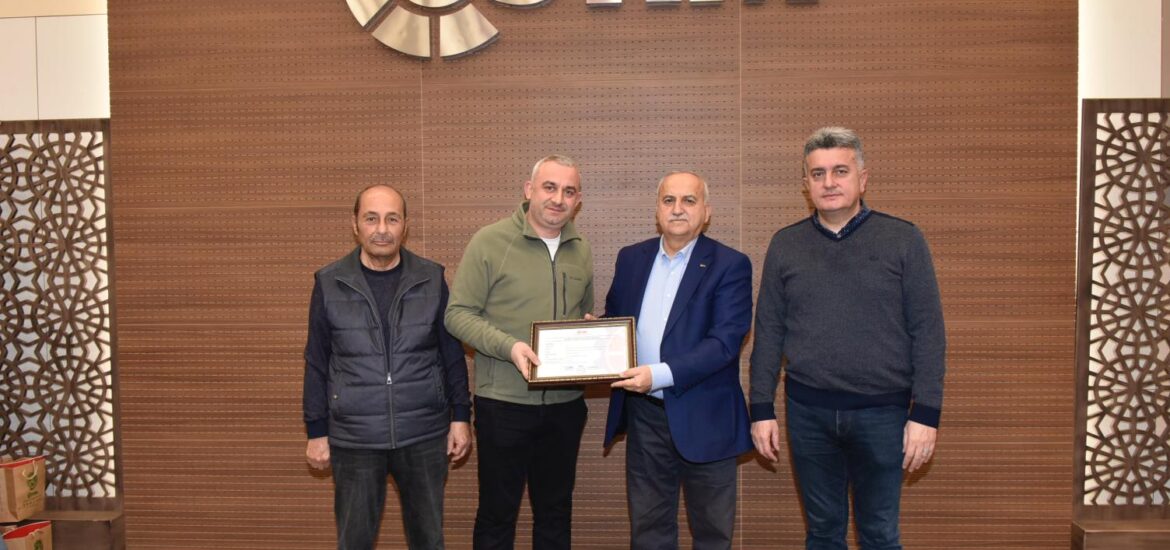
Köşkerler Çelik Halat Teşekkürler ve Başarıya Giden Yolda İş Birliği

2024 yılı, firmamız için önemli bir dönüm noktasıydı. Bu yıl, Köşkerler Çelik Halat firmasıyla gerçekleştirdiğimiz iş birliği sayesinde hem sektördeki konumumuzu güçlendirdik hem de uzun vadeli iş birliklerinin temelini attık. Köşkerler Çelik Halat, alanındaki tecrübesi ve kaliteli hizmet anlayışıyla sektördeki en güvenilir isimlerden biri olarak dikkat çekiyor. Bu değerli iş birliği sonucunda, firmamıza verilen teşekkür plaketi, iş dünyasında karşılıklı güvenin ve başarının simgesi haline geldi.

Köşkerler Çelik Halat Firmasıyla Yüksek Kaliteli İş Birliği

Köşkerler Çelik Halat, çelik halat üretimi ve temini konusunda uzmanlaşmış bir firma olarak, her zaman kaliteyi ve müşteri memnuniyetini ön planda tutmaktadır. Firmamız da bu yüksek kaliteli hizmet anlayışına ve profesyonelliğe değer vererek, Köşkerler Çelik Halat ile uzun vadeli bir iş birliği gerçekleştirmeyi tercih etti. Bu süreçte, sadece ticari anlamda değil, aynı zamanda ortak değerler ve güven temeli üzerinden de güçlü bir bağ kurduk.

İş Birliğimizin Sonuçları ve Teşekkür Plaketi

2024 yılı içerisinde gerçekleştirilen bu başarılı iş birliği, birçok avantajı beraberinde getirdi. Köşkerler Çelik Halat, sağladığı yüksek kaliteli çelik halatlar ve ürün çeşitliliği ile projelerimizde güvenle kullanabileceğimiz malzemeleri temin etti. Bunun yanı sıra, müşteri odaklı hizmet anlayışları ve hızlı çözüm üretme kapasiteleri, bizim için büyük bir değer taşıdı. Sonuç olarak, bu başarılı iş birliğinin bir simgesi olarak Köşkerler Çelik Halat firması tarafından firmamıza teşekkür plaketi takdim edildi. Bu plaket, karşılıklı güvenin, saygının ve başarıya giden yolun bir ifadesi olarak bizim için özel bir anlam taşıyor.

Köşkerler Çelik Halat ile Geleceğe Yatırım

Köşkerler Çelik Halat ile gerçekleştirdiğimiz iş birliği, sadece 2024 yılı için değil, aynı zamanda gelecekteki projelerimiz için de sağlam bir temel oluşturdu. Hem sektördeki tecrübeleri hem de müşteri memnuniyeti odaklı yaklaşımları, bu tür stratejik iş birliklerinin ne kadar önemli olduğunu gözler önüne seriyor. Gelecekte de Köşkerler Çelik Halat ile daha fazla projede bir araya gelmeyi, sektöre katkı sağlamak için birlikte çalışmayı dört gözle bekliyoruz.

Teşekkürler ve İleriye Dönük İş Birlikleri

Köşkerler Çelik Halat firmasıyla gerçekleştirdiğimiz bu başarılı iş birliğinden dolayı kendilerine teşekkür ediyoruz. Verdikleri teşekkür plaketi, gösterdikleri profesyonellik ve iş birliği için minnettarlığımızı bir kez daha ifade etmemize vesile oldu. Birlikte daha nice başarıya ulaşmak dileğiyle, Köşkerler Çelik Halat’a başarılar diliyoruz.

Her zaman kaliteli ve güvenilir hizmet anlayışını benimseyen firmalarla çalışmayı ilke edinen firmamız, Köşkerler Çelik Halat gibi güçlü iş ortaklarıyla sektördeki en iyi hizmeti sunmaya devam edecektir.

Wire Rope Prices

🧱 1. Introduction: What Is Wire Rope and Where Is It Used?
Wire rope plays an important role in many industrial applications thanks to its durability and high strength. Made by combining steel wires, these ropes can come in various diameters and constructions. Wire ropes are used to carry heavy loads and create safe handling systems.

Wire ropes are widely preferred in fields such as crane systems, maritime, construction, elevator systems, and safety applications. Thanks to their various diameters and constructions, they also offer different options suited to every sector. For example, 12 mm wire rope is generally used in cranes and heavy-load handling, while thinner diameters (4 mm, 6 mm) are preferred for lighter jobs, hobby projects, or safety systems.

Wire ropes can have various coating and core options such as galvanized, fiber core, and steel core. These options increase the rope's durability and provide different advantages depending on the operating environment. For example, galvanized ropes are resistant to rust, while fiber-core ropes stand out for their lightness and flexibility.

📊 2. Factors Affecting Wire Rope Prices in 2025
Wire rope prices are shaped by many factors, and these factors can vary over time. To predict what wire rope prices in Ankara will look like in 2025, it's important to consider the following key factors:

1. Raw Material Costs
The most fundamental cost item in wire rope production is the steel wire and other raw materials used. Since steel production is subject to fluctuations in global markets, increases or decreases in raw material prices directly affect rope prices. The prices of components used in steel production, such as iron ore, carbon, and silicon, determine manufacturers' costs.

2. Exchange Rate and the Global Steel Market
In countries like Turkey, wire rope manufacturers frequently use imported materials. The exchange rate is a determining factor, especially for imported steel prices. An increase in the exchange rate can raise domestic manufacturers' costs, which is then reflected in the final product price.

3. Rope Diameter and Construction
The diameter and construction of wire ropes play an important role in determining prices. For example, the price difference between a 12 mm and a 6 mm wire rope varies depending on the intended use. In addition, whether the rope is made with a 7×19 or 6×36 wire construction is another factor affecting price. As diameter increases, the amount of material used and the production time also increase, so prices generally rise.

4. Coating Types
Wire ropes can have different coating types depending on the conditions of use. Galvanized ropes are resistant to rust and ideal for outdoor use. PVC-coated ropes provide a more aesthetic appearance and added protection. Each coating type can have a different effect on price.

5. Domestic Production vs. Imported Product Difference
Domestically produced wire ropes can generally be more affordable than imported products. However, if domestic manufacturers do not properly carry out quality control processes, the durability and safety of these products can become a problem over time. Imported ropes, on the other hand, generally have high quality standards, but can be more expensive due to exchange rate fluctuations and transport costs.

💸 3. Wire Rope Price List 2025 (Estimated)
As of 2025, wire rope prices will vary according to the factors mentioned above. However, the estimated price ranges can be summarized as follows:

12 mm Wire Rope Prices
Galvanized 12 mm wire rope: Averages between 60 and 90 TL per meter.

PVC-coated 12 mm wire rope: Priced between 70 and 100 TL per meter.

Applications: Widely used in the construction sector, in cranes, and in heavy-load handling systems. 12 mm rope is ideal especially for applications requiring high durability and load capacity.

14 mm Steel-Core Rope Price
14 mm steel-core rope: Priced between 80 and 110 TL per meter.

Steel-core rope: More durable than fiber-core rope and used for heavy-load handling applications. Preferred in industrial settings, it is widely used especially in lifting and handling work.

10 mm Elevator Rope Price
10 mm elevator rope: Priced on average between 55 and 85 TL per meter.

Elevator ropes: Critically important in terms of safety and durability. The 10 mm ropes used in elevator systems should be selected considering load capacity and safety measures.

Wire rope prices vary depending on the diameter, construction, and intended use of the rope. Wire ropes, which have different load capacities at each size, are priced according to their specific functions. Below, we'll examine the prices and applications of some commonly used wire rope sizes.

🔹 6 mm Wire Rope Price
Galvanized 6 mm wire rope: Priced on average between 40 and 60 TL per meter.

PVC-coated 6 mm wire rope: These ropes have a more aesthetic appearance and extra protection, and their prices can range from 45 to 65 TL.

Applications:

Hobby and small projects: 6 mm ropes are generally used for light work such as camping, balcony protection systems, and fencing.

Safety systems: Can be preferred in fall-protection systems and small load-handling tasks.

Boats and maritime: Widely used in small-sized ship ropes.

🔹 8 mm Wire Rope Price
Galvanized 8 mm wire rope: Priced between 55 and 80 TL per meter.

PVC-coated 8 mm wire rope: The price of PVC-coated models ranges from 65 to 90 TL.

Applications:

Cranes and small lifting systems: 8 mm wire ropes are widely used in small cranes, towing systems, and load-handling applications.

Maritime: Suitable diameters for boat mooring and marine transport.

Building and construction: Used in the construction sector, especially for carrying lighter building materials.

🔹 10 mm – 12 mm Wire Ropes
Galvanized 10 mm wire rope: Prices range from 70 to 100 TL per meter.

PVC-coated 10 mm wire rope: This type increases outdoor durability and can be priced between 80 and 120 TL.

Applications:

Elevator systems: 10 mm wire ropes are widely used especially in elevator systems. Since these ropes have a high load capacity, they are critically important for the elevator's safe operation.

Cranes and lifting machines: 10 mm ropes can also be used in crane systems and are selected according to load capacity.

Construction and industrial handling: Thanks to their high durability, they are preferred for heavy-load transport and crane systems.

🔹 14 mm – 16 mm Wire Rope Prices
Galvanized 14 mm wire rope: Can be priced between 80 and 120 TL per meter.

PVC-coated 14 mm wire rope: PVC-coated models of 14 mm rope are priced between 90 and 130 TL.

Applications:

Industrial lifting systems: Ropes with 14 mm and 16 mm diameters are used especially in heavy industry applications. These sizes are widely used in cranes, load-lifting machines, and construction projects.

Ports and maritime transport: These diameters are preferred in large ports for load lifting and handling operations.

🔹 18 mm – 20 mm Wire Rope Prices
18 mm galvanized wire rope: Prices are generally between 120 and 150 TL.

20 mm wire rope: Can be priced between 150 and 180 TL.

Applications:

Heavy cranes and lifting systems: These thicknesses are used for carrying the heaviest loads. Such thick ropes are preferred for operations like large port cranes, load handling, and lifting hazardous loads.

Large construction projects: 18 mm and 20 mm ropes are critically important in projects requiring high durability.

🔹 25 mm and Above – Custom-Made Ropes
Custom-made wire ropes: These ropes are generally offered for sale at 300 to 400 TL or higher. Prices vary depending on the rope's specifications, the materials used, and the order quantity.

Applications:

Industrial projects and mines: Ropes with diameters of 25 mm and above are used in heavy industry, mine transport, and large construction projects. These ropes are very strong in terms of load capacity and are generally used in customized projects.

📦 5. Wire Rope Prices for Bulk Purchases (Wholesale Wire Rope Prices)
Making bulk purchases of wire rope can provide significant cost advantages, especially in large projects and industrial applications. In wholesale wire rope purchases, discounts are generally provided when larger quantities are purchased, and logistical conveniences are also offered. Below is important information about the advantages of bulk wire rope purchasing and pricing details.

🔹 Discount Opportunities in Wholesale Wire Rope Purchases
Buying wire rope in bulk generally allows you to get discounted prices. Wire rope suppliers offer more favorable prices on large orders, lowering both the per-meter cost and additional costs such as shipping. For example, large quantities of rope used in cranes, construction projects, or maritime applications provide a significant price advantage when purchased wholesale.

Wholesale wire rope purchases can reduce costs by 10-20%, especially in large projects. Discount rates may vary depending on order quantity and the agreements made.

🔹 Pricing by Coil and Reel
Wire ropes are generally sold in coils or on reels. In wholesale purchases, ropes are usually delivered on large coils or reels. This reduces shipping and packaging costs. In addition, the cost per meter also decreases. In wholesale wire rope purchases, long coils can be obtained at more favorable prices.

For example, when purchasing 12 mm wire rope, the per-meter price will be lower if more than one coil is purchased. In wholesale purchases, the price per coil decreases significantly.

🔹 Project-Based Wholesale Wire Rope Price Quotes
When making bulk wire rope purchases for large projects, suppliers generally offer special project pricing. This varies depending on factors such as the diameter, length, coating type, and delivery times of the ropes to be used in the project. Thanks to project-based pricing, wire rope prices become more affordable, and special discounts can be applied for ropes to be purchased in large quantities.

Bulk purchases are generally made to ensure continuity in large projects. Such agreements offer significant advantages for managing project costs by providing price stabilization and long-term supply options.

🔹 Logistics and Shipping Costs in Wholesale Wire Rope Purchases
Bulk purchases not only provide price discounts but also reduce shipping costs. In wholesale wire rope purchases, when a larger quantity of rope is purchased, shipping operations become more efficient. When multiple coils or reels are transported together, transport costs decrease, and suppliers generally offer free or discounted shipping.

In addition, thanks to bulk purchases, long-distance shipments can be made at more favorable prices. Shipping costs can be significantly reduced, especially in wholesale purchases from overseas suppliers.

🔹 Custom Orders and Pricing Flexibility
Some projects may require custom wire rope sizes or coating types. When making bulk purchases, suppliers generally accommodate custom production requests as well. In this case, pricing flexibility and discounted offers can be provided for custom orders.

For example, ropes in special sizes such as 25 mm wire rope can be supplied at discounted prices in bulk purchases. This can be very beneficial, especially in fields such as large construction projects, industrial investments, and port operations.

6. Price Difference Between Imported and Domestic Wire Rope
In wire rope purchases, there can be significant price differences between imported and domestic wire ropes. Although both types of rope have similar functions, factors such as place of production and material quality create price differences. By providing information about the advantages and disadvantages of imported and domestic wire ropes, we will make it easier for you to make the right choice.

🔹 Imported Wire Rope Prices
Imported wire ropes are generally products manufactured abroad and imported into Turkey. Imported wire rope prices can generally be higher than domestically produced ropes. The main reasons for this are:

Shipping and customs duties: Customs procedures and shipping costs are added when bringing imported products into Turkey, which increases the price.

Production costs: Imported wire ropes can be more expensive due to high production costs abroad. In addition, exchange rates are also one of the important factors affecting prices.

Quality and durability: Imported wire ropes generally offer greater assurance of high quality and standards compliance. Products from Europe and Asia generally go through quality control processes, which can increase costs.

Imported wire rope prices can generally be 10-25% more expensive. However, because of their high quality and long service life, they provide long-term savings in large projects.

🔹 Domestic Wire Rope Prices
Domestic wire ropes are products manufactured in Turkey and generally sold at more affordable prices. Domestically produced wire ropes can be more economical than imported products. The reasons for this are:

Production costs: In domestic production, since labor and raw material costs are local, there are no additional costs such as shipping and customs duties. This keeps prices lower.

Exchange rate effect: While exchange rate increases directly affect the prices of imported products, domestic products are less affected by such fluctuations.

Fast delivery: Since domestic wire ropes are produced domestically, delivery times can be shorter and shipping costs lower. This affects the total cost.

Domestic wire rope prices can be 20-30% lower. However, some domestic manufacturers may produce at lower standards in terms of quality and durability, so attention should be paid to quality control.

🔹 Differences Between Imported and Domestic Wire Rope Prices
The price differences between imported and domestic wire ropes can be affected by the following factors:

Place of Production: Imported ropes generally have higher production costs abroad. Therefore, their prices can be higher than domestic ropes.

Material Quality and Durability: Imported ropes can generally have higher quality standards and a longer service life. This can be especially important in heavy-load handling systems. Domestic ropes can be more affordable in price, but there may be a difference in quality.

Shipping and Logistics Costs: Since imported wire ropes are brought from abroad, shipping and logistics costs are added. Domestic ropes, being transported over shorter distances, have lower costs in this regard.

Purchase Quantity and Project Needs: The choice of domestic or imported wire rope can be made according to project-specific needs. While imported ropes may be preferred for large projects, domestic wire ropes may be sufficient for small and medium-sized projects.

🔹 Applications of Imported and Domestic Wire Ropes
Imported Wire Ropes: Imported ropes are preferred especially in industrial applications such as large construction projects, load-lifting machines, cranes, and ship ropes. Their durability and high quality standard provide a great advantage in such applications.

Domestic Wire Ropes: Domestic ropes are generally suitable for small businesses, hobby projects, and medium-sized construction projects. Being economical makes them attractive for small and medium-sized projects.

🔹 Choosing Between Imported and Domestic Wire Rope: Which to Prefer, and When?
Choosing Imported Wire Rope: Imported products can be preferred for projects seeking high-quality, durable, and long-lasting ropes. Imported ropes can be safer especially in applications such as high-capacity cranes, elevators, and heavy industrial machinery.

Choosing Domestic Wire Rope: Domestic ropes can be suitable for low-budget projects or projects where quality control is less of a priority. In addition, domestic wire ropes can provide an advantage in situations requiring fast delivery.

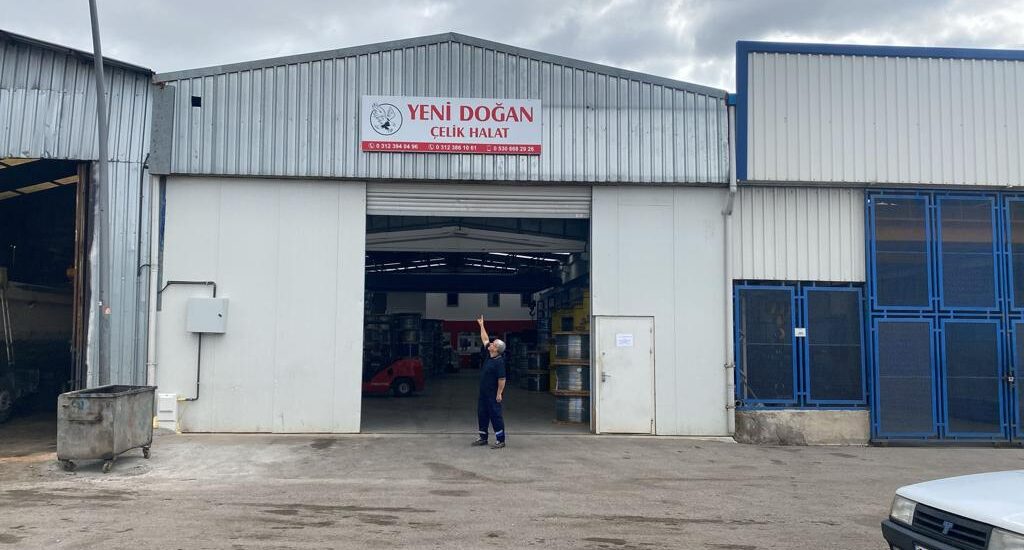
Yeni Depomuz Hizmete Hazır

1.500 m2 Kapalı alana sahip depomuzu hizmete açtık…

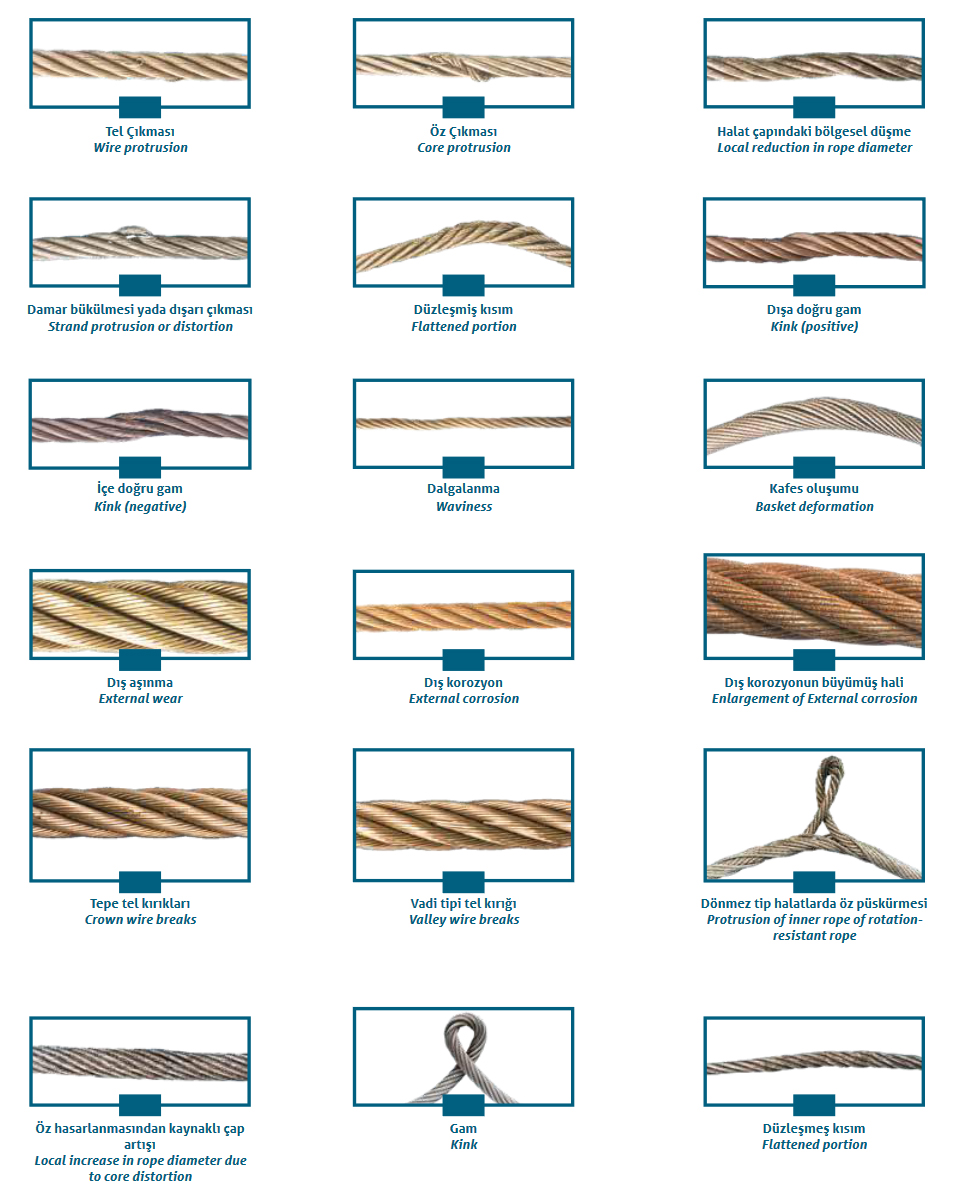
Halat Hasarlanma Şekilleri